
What Is a Loading Dock
Posted On July 15, 2025When you think about how freight is being moved out and into factories, retailers, and massive warehouses, there should be something that does the heavy lifting.
One word – loading dock!
What exactly is a loading dock, and what makes it different than a ramp and a loading bay? This guide is going to walk you through what a loading dock is, and learn all about the different types of docks that make shipping and receiving that fast.
The way to start is by understanding the basics of freight shipping terminology!
What Does a Commercial Dock Do
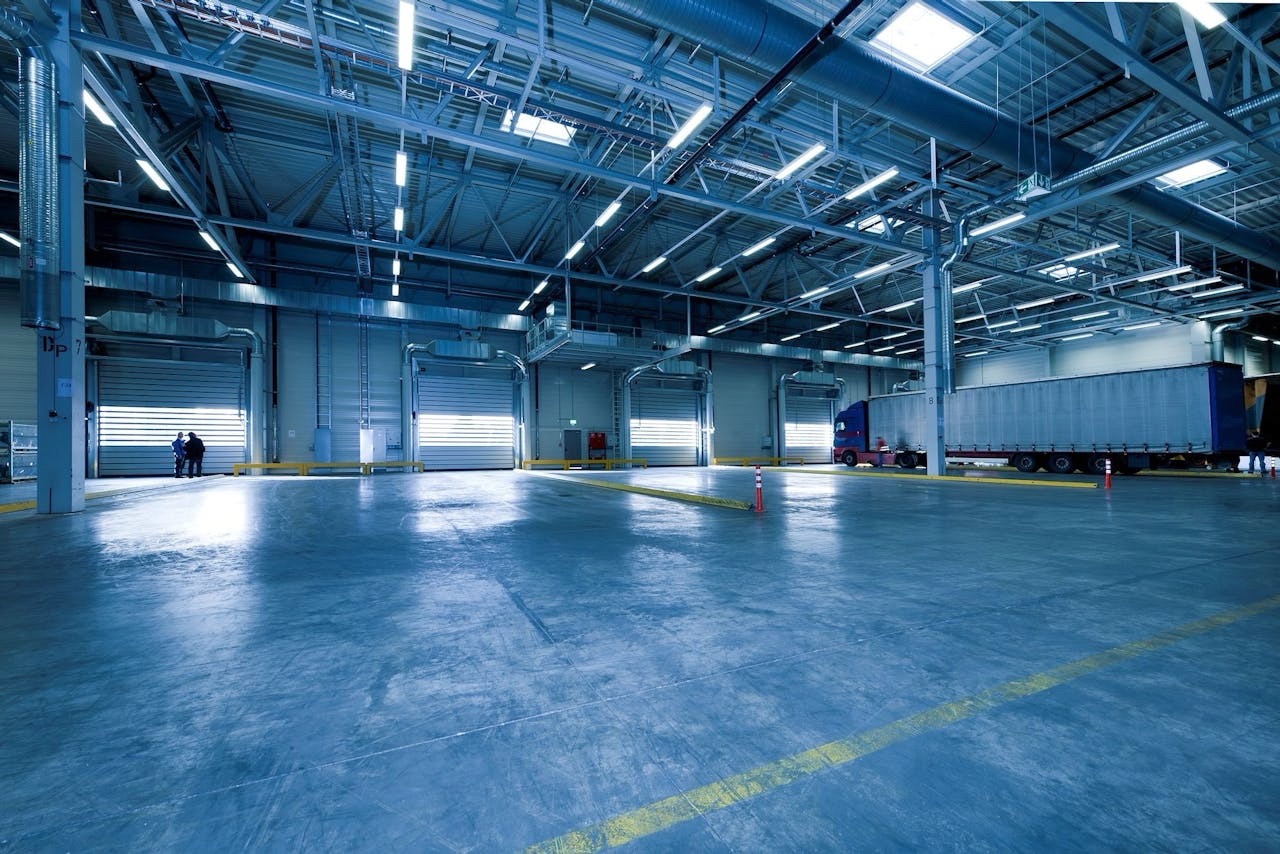
In its foundation, a loading dock, sometimes referred to as a “shipping dock” or “warehouse dock”, is where freight is loaded and unloaded. This is the most important point in the process of freight transportation, where everything from trucks, trailers, and containers is being handled.
If you have ever wondered exactly what does a commercial dock do, the answer is very simple; it’s the point that keeps the entire supply chain moving – the pickup and delivery.
For example, a typical truck loading dock is built to a standard truck loading dock height, which is usually around 48 inches. However, the exact loading dock measurements vary by industry and region in order to allow trailers to back up snugly so forklifts can easily roll in and out.
In many warehouses across the United States, this loading dock design is key to maintaining low shipping costs and fast turnaround.
Loading Dock Equipment:
There are a few things that are absolutely necessary for a loading dock:
- Dock doors: They seal tightly to keep the weather out.
- Dock seals: These are shelters that improve efficiency.
- Dock levellers: They bridge potential small height gaps.
- Vehicle restraints: They secure trucks so it doesn’t shift.
So, all of these pieces work together to provide ultimately better loading dock safety and help protect clerks, products, and equipment. When somebody asks what does dock mean, we now know that in the world of logistics, this is much more than a platform for shipping and receiving.
Different Types of Loading Docks
The first thing to know here is that not all loading docks look and function the same way!
There are many factors involved, such as freight shipment, climate, space, and warehouse layout, which determine the type of dock needed.
There are several types of loading docks for different shipping and receiving requirements:
Flush Docks
Flush docks are the most popular across the United States, as they are designed in a way that allows the outside wall to line up with the dock face. This ultimately provides a tight seal when a truck reaches in, and reduces shipping costs by reducing the truck maneuvering required.
Enclosed Docks
These docks are completely inside the building, with trucks backing into a covered bay. They’re ideal in colder regions where energy efficiency matters, protecting freight and workers from the weather.
Open Docks
With no canopy or enclosure, these are the simplest and cheapest, but they expose workers and freight to rain, snow, or heat.
Sawtooth Docks
Built at an angle, these are used when space doesn’t allow trucks to back straight in. It helps maximize the loading dock size when the lot is tight.
Each type comes with specific loading dock specifications, from loading dock height to dock safety accessories like vehicle restraints and dock seals.
So, choosing the right style often depends on your typical full truckload volume, local climate, and how many dock doors you need to keep up with demand.
The Differences Between Loading Docks, Loading Ramps, and Loading Bays
When it comes to the truck loading area, there are several terms that might spark confusion, and that’s why we’re going to clear the uncertainty.
Loading Docks
When you hear questions like “what is a loading dock” or “truck loading dock”, this always means an elevated platform and the back end (exterior wall) of the warehouse, where the trucks come and position for loading and unloading.
This dock is fixed in place and typically matches standard height for loading dock needs, so forklifts can drive directly from the warehouse floor into the trailer.
This is the general loading dock meaning!
Loading Ramps
Loading dock ramps or also known as “dock ramps” or even “loading dock truck ramps”, are the inclined surfaces that provide a room for forklifts to move up/down. A loading dock ramp can be stationary or portable, which aligns with the bed and provides a perfectly flat surface.
This is crucial for places with non-standard loading dock dimensions or where deliveries vary.
Loading Bays
The loading bay is the larger area that surrounds one or multiple docks. It’s the maneuvering and parking zone where trucks wait, sometimes with staging areas for sorting pallets. When people ask about the shipping dock meaning or the unloading dock, they often mean the combined space, which is at the bay plus the dock itself.
There are many other terms like bill of lading, getting a proof of delivery, which are all part of the freight shipping.
We know that understanding all these freight terms could be challenging at first and cause confusion, but knowing the differences and uses makes it easier to understand.
What Is a Commercial Drop Off with No Dock
A commercial drop-off with no dock is simply when freight is delivered to a freight terminal that lacks a raised loading dock. Instead of backing up to a truck loading dock, the driver unloads at ground level. This often happens at smaller businesses, retail stores, or older buildings without a dedicated warehouse loading dock.
It can mean using a loading dock ramp, pallet jack, or manual unloading right from the truck’s liftgate. While it avoids the need for specific loading dock specifications like exact loading dock height, it usually takes longer and may require extra equipment or manpower.
In freight terms, it’s important to note this upfront, since it can affect shipping costs, delivery time, and even the need for special dock safety precautions to prevent injuries when working directly at street level.
How To Unload a Truck without a Loading Dock
When there’s no loading dock, unloading a truck takes a bit more planning.
Here’s how to handle it safely and efficiently:
Portable Dock Ramp
A dock ramp or loading dock truck ramp bridges the gap from the ground to the trailer, making forklifts or pallet jacks possible. This keeps loading dock safety intact by preventing risky lifting or awkward angles.
Try a Liftgate Truck
Many freight shipment carriers offer liftgate service to lower pallets to the ground, avoiding the need for a warehouse dock. Just confirm the loading dock size and weight capacity match your shipment before scheduling.
Use a Pallet Jack
You can also roll pallets to the edge, then lower with a lift or manual help. Always follow dock safety practices and make sure the truck loading area is flat and clear to prevent accidents.
Load Breakdown
If pallets are too heavy, unload box by box. It takes longer but reduces risk and damage. This is also helpful when loading dock measurements don’t align with standard pallets.
Carrier Confirmation
Always discuss proof of delivery, bill of lading, and any freight term notes upfront so there are no surprises on-site. It also ensures everyone knows if extra gear, like a dock leveller or extra hands are needed.
