When to Use Intermodal Freight Transportation to Save on Cross-Country Moves
Posted On 3rd December 2025The cross-country hauling pushes shippers to evaluate every part of their budget, and most of them use intermodal freight transport for maximum cost savings. This transportation mode links rail and road in a way that keeps long routes efficient and helps you manage fuel use and plan moves with fewer surprises.
The rise of intermodal trucking provides greater flexibility for moving goods over long distances. You can shift parts of the haul to rail, then return to trucks for the final stretch, balancing pressure on your supply chain and giving you more control over timing and risk.
That’s why this guide will walk you through everything you must know about intermodal freight transportation, from when to use it to how it works, and much more.
Benefits of Intermodal Transportation vs Truckload
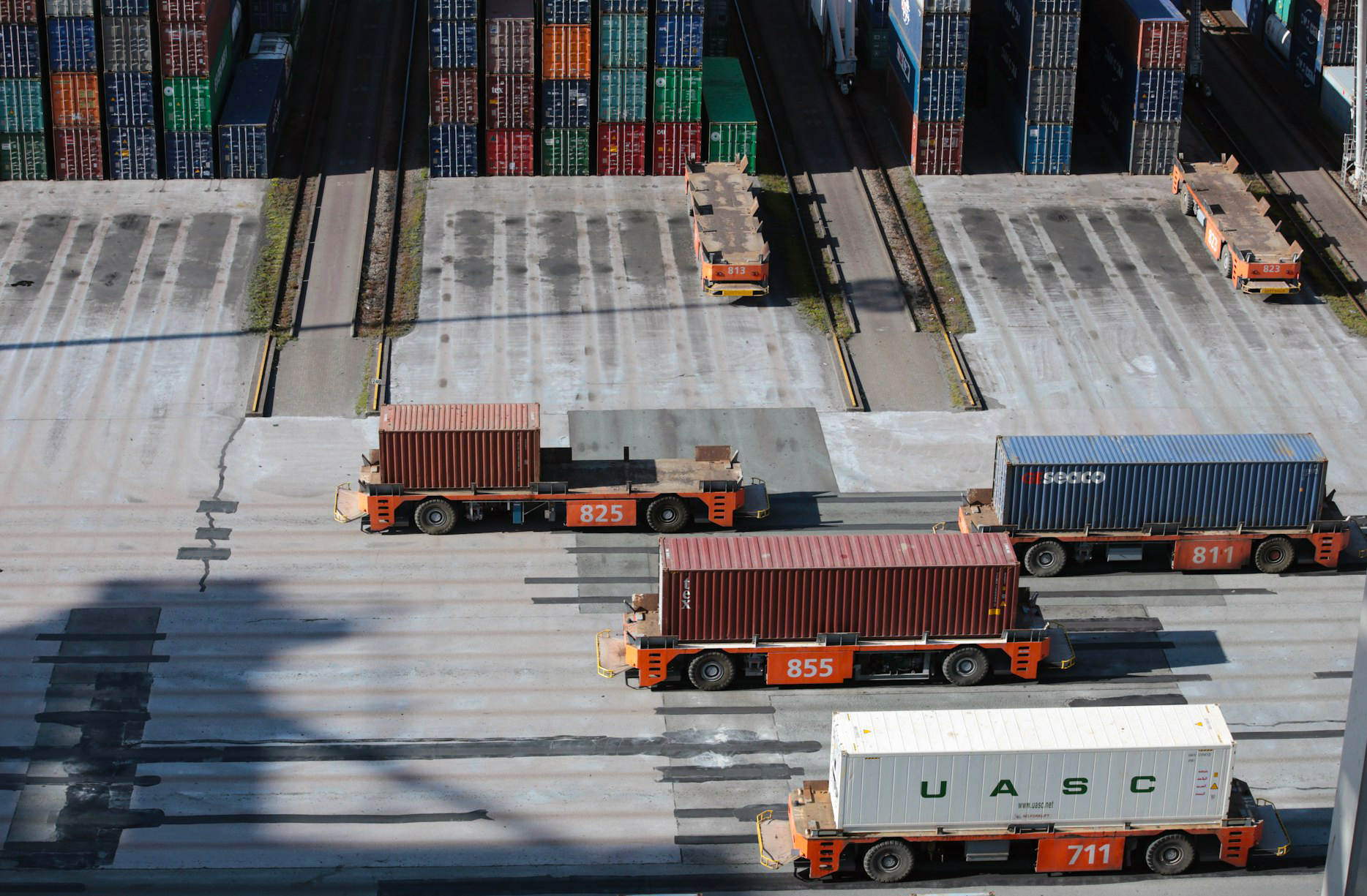
There are quite a few standout benefits of intermodal transport, especially for shippers who want to maximize the efficiency of their routing and have greater control over longer moves.
Let’s go through the benefits of intermodal shipping:
- Long-Haul Expenses: Most of the freight is being transported by rail, keeping your costs much lower when compared to truckload.
- Predictable Planning: You create fixed cycles that help your supply chain stay organized during long moves, unlike unplanned hiccups with trucking.
- Less Fuel Pressure: You rely on a fuel-efficient rail segment that reduces exposure to volatile prices, while truckload fuel prices may vary.
- More Load Room: You will be able to handle the weight limits with fewer restrictions and keep trucks fresh for shorter segments.
- Less Congestion: With intermodal transportation, you significantly cut down road miles and avoid delays tied to seasonal bottlenecks.
In short, intermodal transport becomes more useful once you look at how intermodal transport logistics supports long routes. The intermodal services will stay aligned with the right modes of transport, which ultimately helps you stay organized when moving goods across longer routes.
When Does Intermodal Freight Transportation Work Best
The intermodal transportation works best on routes where your freight can be transported by rail for the most part, reducing fuel costs. However, you need to explore intermodal trucking rates as well as intermodal trucking companies to find out which mode of shipping will work best for you.
There are a lot of different intermodal transportation solutions that will handle each part of your hauling process, but on specific occasions, intermodal freight transportation might not be ideal.
When Intermodal Shipping May Not Be the Best Choice
The intermodal shipping falls short when your shipment is urgent, and the freight train can’t fulfill the timing you require. In addition, you may also lose a bit of flexibility when the route lacks access to a strong intermodal transportation center or nearby intermodal facility.
To understand better when intermodal shipping may not be the best choice for you, let’s go over a few occasions and situations:
- Tight Delivery Windows: Moving freight by rail involves fixed schedules, and even though you avoid highway congestion, you can’t speed things up.
- Short Regional Routes: The value from intermodal shipping will not be apparent when your haul is short, due to the cost of transfers.
- Remote endpoints: You may face struggles when the final destination is located far from major hubs for the transferring phase.
So, these occasion limits become larger on routes that mix intermodal and multimodal setups, because timing depends on multiple freight shipping carriers instead of a single carrier. You will also need to handle a bit more paperwork, since each handoff (transfer) would require a clear bill of lading.
What's the Difference Between Intermodal and Multimodal Transport
Intermodal and multimodal transportation modes work toward the same goal, but each uses a different structure to move freight. To gain a clear understanding of the differences between intermodal and multimodal transport, it is essential to compare them and examine how each affects timing and control.
Here are the standout differences:
Intermodal | Multimodal | |
Contracts | Intermodal uses separate contracts with each provider. | Only one general contract for the entire route. |
Carrier Control | You are granted control for each part of the move. | One operator manages everything from start to finish. |
Flexibility | Very high flexibility for lane changes or rerouting. | Lower flexibility because the route stays locked under one provider. |
Tracking | Each segment is tracked individually through intermodal transport services. | Unified tracking handled by a single operator. |
Risk Structure | The risk is shared across all the carriers that are involved. | Risk rests mostly with the main multimodal provider. |
Note: Shippers often weigh multimodal vs intermodal transportation to decide how much control they want during multimodal shipping.
Who Should Consider Intermodal Transportation
Intermodal freight shipping suits best teams and organizations that are planning to ship freight through long corridors that support stable routes.
Shippers will benefit from intermodal freight carriers the most when they tolerate steady timing through rail intermodal transportation. The biggest expense comes from the intermodal trucking services at key hubs that process the handling, but this is nothing compared to all the gains.
Here is who should consider the advantage of intermodal transportation:
- Regional Distribution Centers
- High Volume Retail Networks
- Long Haul Manufacturing Lines
- Large Food / Beverage Shippers
- Bulk and Raw Material Suppliers
- Industrial Equipment Distributors
If you’re involved in one of the aforementioned groups, you benefit from support offered by top intermodal transportation companies that operate across major hubs. They stay aligned with the intermodal transportation industry and will help you keep the long routes a lot more fuel-efficient.
Types of Intermodal Equipment
The intermodal type of transportation relies on the equipment that keeps transfers steady and supports clear timing across each leg of the journey. These tools also help transport carriers stay organized as they manage intermodal freight transport and logistics across long routes.
Equipment: | Purpose: | Notes: |
Chassis Frames | Holds trailers during highway segments. | Ideal when an intermodal trucking owner-operator handles the road portion. |
Rail Flatcars | Secures freight for long rail stretches. | Useful for steady timing and lower fuel use across longer route distances. |
Lift Systems | Moves trailers between rail and truck. | It helps reduce the delays during hub transfers and freight handling |
Swap Bodies | Provides flexible loading at freight terminals. | Works well when the timing varies across regions, during transit. |
Fuel Tracking Tools | Manages burn rates across modes. | Supports intermodal transportation fuel management during long hauls. |
Note: Choosing the right mix keeps each transfer tight and supports cleaner routing across all transport carriers involved.
Key Modes in Intermodal Transportation
Intermodal transportation relies on many connected modes that keep long routes organized and predictable. These modes support intermodal freight containers through each handoff and keep intermodal container transport efficient across regions.
Here are the key modes in intermodal transportation:
- Rail Transportation: This is the primary transportation mode, used for the longest stretches with stable timing and lower exposure to route disruptions.
- Truck Transportation: Handled by intermodal container trucking companies, it manages terminal moves and short regional positioning.
Note: There are also more key points, such as road transfers and port handling round out the cycle and support smooth movement between hubs.
