Multimodal Transportation - Meaning, Benefits, Key Features
Posted On 8th December 2025Multimodal transportation combines different modes of transport along a single route, providing shippers with cost-effective, smooth freight transportation. It’s used for longer routes under a single contract, so you don’t need to deal with separate contracts when using multiple carriers.
This method can be seen in action whenever freight shifts from trucks to trains and ships with a single multimodal transport operator that handles the entire trip.
It reduces confusion, lowers shipping costs, and supports steady transit times across multiple modes of transport. This structure fits global supply chains where you need flexible planning, cleaner routing, and stronger control over tracking shipments.
This guide will walk you through the meaning of multimodal transportation, the key features behind it, and the benefits you gain when you use it.
What Is Multimodal Transportation
To define multimodal transportation as concisely as possible, we can say that this is a system where freight switches back and forth between truck, rail, air, or sea. All of this happens under the same contract with one single operator that manages the entire transit from start to end.
This is the main definition of multimodal transportation, although there is much more behind it.
What Is an Example of Multimodal Transportation
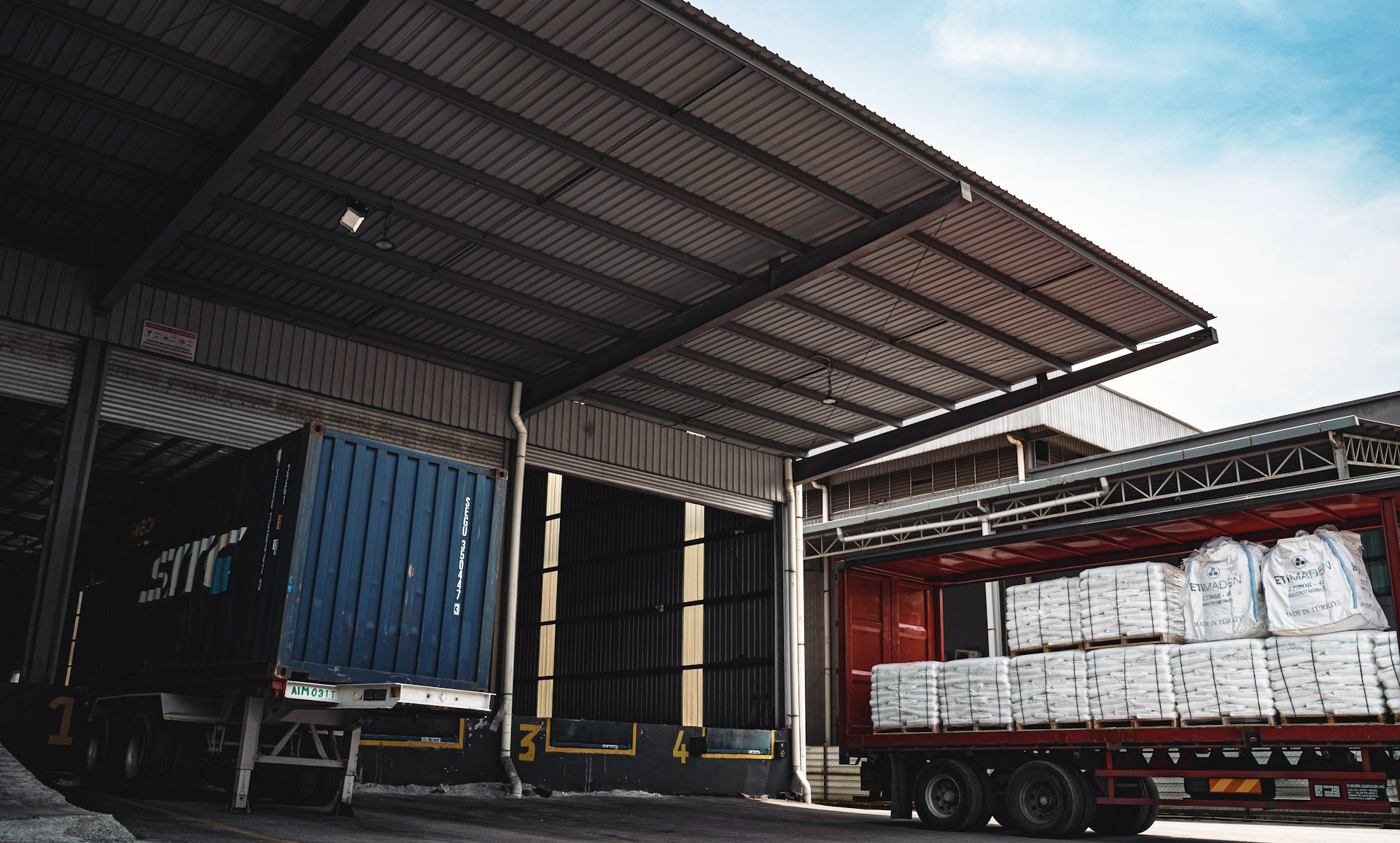
For example, a freight starts on a truck, then moves to rail transportation for most of the route, and finally finishes by sea as a multimodal sea transport. The transfers happen at a multimodal transport terminal, also known as a multimodal transportation center, where the freight changes vehicles and is handled quickly and efficiently.
To sum up, the meaning of multimodal transport simply refers to shifting multiple transportation vessels, whether it’s a truck, boat, train, or even a plane.
Is Multimodal Transport Eco-Friendly?
Yes, multimodal logistics is eco-friendly because two of the most popular types of multimodal transport for the longest routes are rail and sea. This ultimately reduces fuel emissions, and the efficiency of the planning usually lowers empty miles and wasted resources.
Advantages of Multimodal Transport
Undoubtedly, the greatest benefit for shippers from multimodal transport is the single agreement that covers the entire transit, which means a lot fewer administrative steps, like a bill of lading.
However, there are many other advantages:
- Reduced Costs: The optimization of the freight transportation route means much better budgeting through shorter delays.
- Faster Transit: The organized handovers between the multiple modes of transport provide shippers with predictable arrivals.
- Reduced Risk: Shippers are reducing the risk by working through only one operator, coordinating multiple carriers.
- Stronger Tracking: The pre-defined routes and fewer stops provide shippers with much better oversight for multimodal transport tracking.
Note: These advantages reflect how multimodal solutions improve planning and performance across long routes without adding pressure to your daily operations.
What Are the Disadvantages of Multimodal Transport
While multimodal shipping is appealing because of its efficiency and optimized costs, many drawbacks make you consider it carefully.
Here are the main drawbacks of multimodal transit:
- Limited Control: With multimodal transportation, you rely on a single operator during each stage, vastly reducing your direct oversight.
- Terminal Delays: While routes are carefully planned beforehand, with many multimodal transport terminals involved, the chances of delay are not that slim.
- Coordination Needs: The sole complexity of multimodal logistics can sometimes bring unexpected hiccups, especially across borders.
Note: These disadvantages make you consider multimodal transport carefully and judge much better whether this option works best for you.
Multimodal vs Intermodal Transportation - The Key Differences
When we compare multimodal vs intermodal transportation, we quickly find that both systems move freight across long distances, but they follow distinct rules. This difference is fundamental and determines factors such as control and planning.
Here’s what sets them apart:
Multimodal Shipping: | Intermodal Shipping: | |
Contract | One single contract for the full route. | Each leg uses a separate contract. |
Carriers | A single freight broker manages the chain. | Multiple freight carriers handle segments. |
Tracking | Unified tracking shipments system. | Tracking changes/varies by carrier. |
Flexibility | Route changes move through one manager | Adjustments require contacting each carrier. |
Accountability | A single party handles all the issues and claims. | The responsibility shifts between operators. |
Planning | Predictable flow through linked stages. | Timing depends on the schedules. |
Administration | Lower load due to fewer documents. | More paperwork and checks. |
Risk | Risk stays with one operator. | Risk spreads across several parties. |
What Types of Businesses Are Suitable for Multimodal Transportation
There are many businesses that will benefit from multi-modal transportation, especially when the freight involved must move across borders.
The system fits businesses and organizations that rely on predictable timing, low risk, and good organization, mainly to avoid any delays.
Let’s name a few businesses that fit multimodal transport:
- e-Commerce: Many online stores take advantage of the benefits of multimodal transport, shipping freight to customers quickly and efficiently.
- Manufacturing: Factories move parts and finished goods through multi-mode logistics, which improves planning and cuts exposure to timing issues.
- Heavy Industries: Large pieces of equipment move through multimodal transportation services, which handle weight limits and route complexity across borders.
This is not everything!
You can find multi-modal meaning incorporated in businesses that handle agriculture and food supply, energy, import/export, logistics services, and retailers.
Note: Many of these companies also depend on a multimodal container system to keep goods protected, and some compare options with intermodal freight when routes or capacity change.
Find the Best Multimodal Freight Services with FreightRun
If you want to transport multimodal shipments, you need to carefully evaluate your needs and draw the bottom line to check whether it suits your business.
We strongly encourage you to use the FreightRun Quote Calculator to help you find multimodal and intermodal transport, compare solutions, and get the best freight shipping rates. With both multimodal and intermodal transport, you will always stay organized, keep routing clear, and maintain full control over timing and planning across every stage.
