First and Middle Mile Shipping
Posted On 26th February 2026The shipment goes a long way before it reaches the final destination, “customer”. The first-mile shipping is where the journey begins. This is when freight leaves the supplier and enters the supply chain, marking the beginning of the transportation of goods.
After the pickup, the freight goes through warehouses, hubs, and distribution centers. This is the middle-mile logistics. This middle stage connects freight to middle-mile trucking, keeping the supply chain moving. When all of this goes smoothly, the logistics projects run smoothly, the freight is delivered, and customer satisfaction remains at peak levels.
Today, you will learn what is first mile in logistics, what is middle mile delivery, and how they differ. We’ll also touch upon how to improve the efficiency of your process.
What Is the First Mile in Logistics
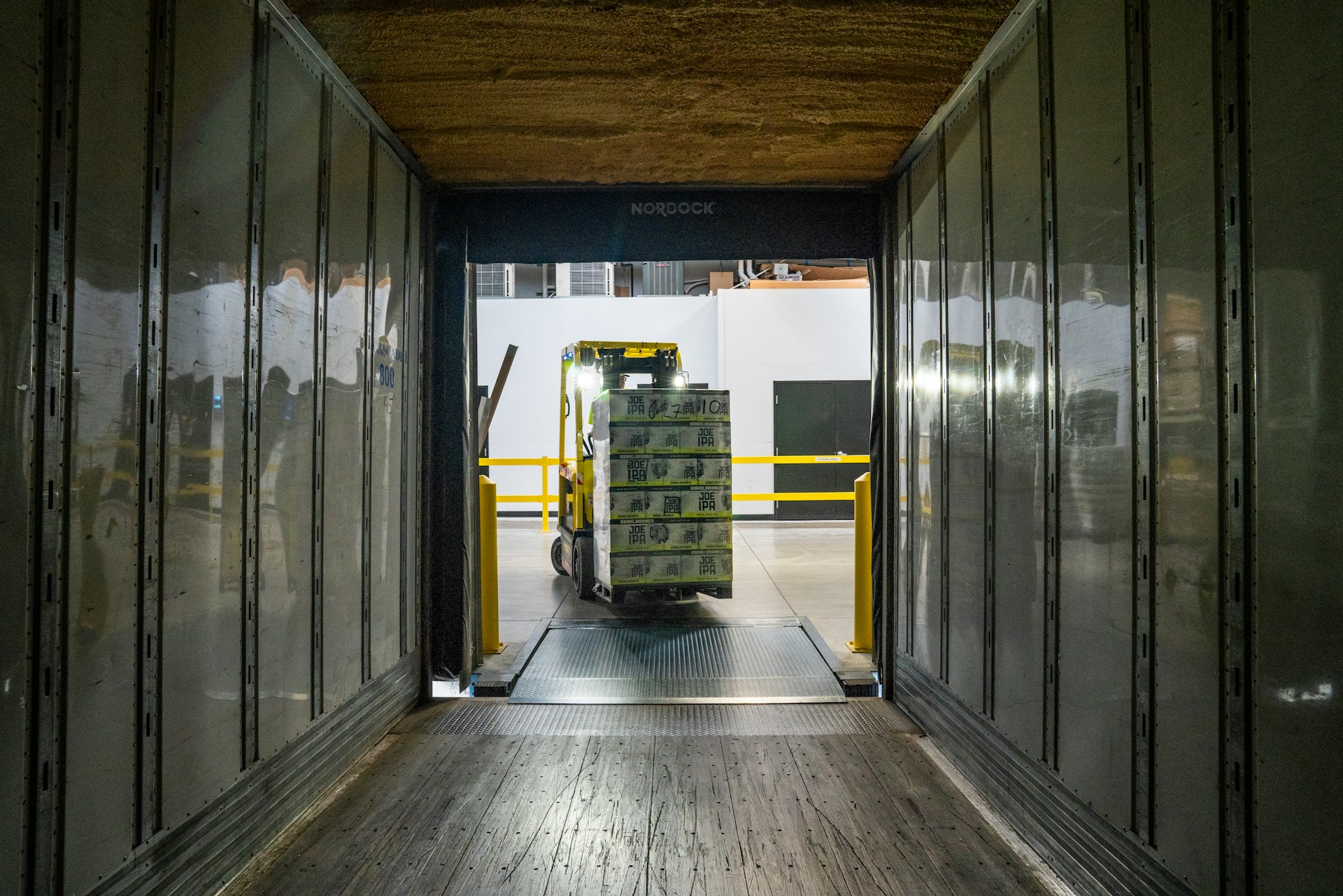
First-mile transportation is the beginning of freight movement. The point where a product leaves the supplier, seller, or manufacturer. It usually marks the moment the freight leaves, until it’s at the middle-mile point, which is a warehouse, carrier, or hub.
The first-mile logistics are critical for proper supply chain management. Hence, when something goes wrong there, the freight schedule is often vastly delayed.
Common Tasks in First Mile Transportation
The first-mile delivery service includes all the digital and physical steps. Steps needed to move freight from point A to point B.
This involves the coordination with the first-mile freight carrier, the mile pickup, and documentation. It also covers trucking number assignments when the freight enters.
To understand first-mile transportation better, here are the tasks involved:
Task: | What It Involves: |
Supplier Coordination | The coordination means scheduling first-mile delivery services with factories or vendors |
Cargo Preparation | The preparation involves everything from labeling, palletizing, and packaging for transport |
Documentation | The documentation involves bills of lading and customs paperwork when needed. |
Pickup Execution | The execution happens when the carrier collects freight during the scheduled mile pickup window. |
Shipment Visibility Setup | Activating first-mile tracking and assigning a tracking number for the transportation process. |
Note: The first-mile logistics has the goal of ensuring that the freight enters the supply chain documented and ready to move.
What Is the Middle Mile in Logistics
Middle-mile logistics is the point where the freight has already been sent to facilities such as hubs and warehouses. It then begins another journey before the final stahye “last-mile delivery”.
At this point, the freight is being consolidated, reloaded, and connected to trucks, which will go through the final stage of the process.
Common Tasks in Middle Mile Trucking
The middle-mile trucking is the part of the process where the freight is being moved through nodes in the supply chain. Unlike the local drops, this is the stage where everything goes on delivery routes and tight schedules.
To understand middle-mile trucking better, here are the tasks involved:
Task: | What It Involves: |
This is the coordination of recurring truckloads between distribution centers. | |
Route Planning | The route planning predetermines and provides routes optimized for cost and transit time. |
The consolidation is simply combining loads to maximize the truck trailer capacity. | |
Warehouse Transfers | The transformations are just managing dock appointments and unloading. |
Inventory Synchronization | The synchronization is aligning shipments with inventory management systems. |
When the middle-mile logistics are smooth, this reduces transit gaps and boosts performance.
First Mile Logistics vs Middle Mile Logistics - What’s the Difference
While both states are involved in moving freight, they have distinct roles in the supply chain. The first-mile logistics begin at the supplier. In turn, the middle-mile logistics set up freight for the last stage of the process. While first and last-mile logistics work together, there are differences that we shouldn’t overlook. Let’s compare them to understand better:
Category: | First-Mile Logistics: | Middle-Mile Logistics: |
Starting Point | From the supplier, factory, or seller location. | Warehouse, hub, or distribution centers. |
Main Focus | Initial mile pickup and entry into the network. | Facility-to-facility transfer through middle-mile trucking. |
Objective | Launch smooth first-mile delivery service operations. | Maintain steady middle-mile operations flow. |
Visibility | Relies on accurate first-mile tracking from the origin. | Focuses on transfer accuracy and dock coordination. |
Risk Factors | Poor packaging, missing paperwork, and pickup delays. | Any congestion at hubs can lead to delays. |
Network Role | Begins the primary mile delivery process. | Connects hubs before the mile and the last mile stage. |
For a smooth operation, it’s required that all three steps work properly. Those are the first-mile, middle-mile, and last-mile logistics.
Importance of Proper First Mile Tracking
The first-mile trucking is a point of the process during first-mile logistics. This is where the freight is being physically transported from the supplier to the warehouse. Similar to the last-mile step of the process, the first-mile delivery is absolutely critical.
It’s important for the first-mile trucking to be coordinated to avoid delays early on. This is when data is being captured through a valid tracking number. It can reduce blind spots, prevent any errors, and escalate downstream during day delivery.
Each carrier must have strong visibility during this step. This can project timelines and provide reliable support in case of any trouble. This can help you raise customer expectations through excellent service and minimal delays.
How To Improve the Efficiency of First and Last Mile Transportation
Improving the efficiency of first and last-mile transportation requires coordination. You must be synchronized with the pickup points and final delivery teams.
Here are several steps to improvethe first and last-mile transportation:
- Define what mile delivery refers to inside your operation, whether it is supplier pickup or doorstep drop-off.
- Standardize handoffs and align schedules with your middle-mile carrier so freight flows without idle time.
- Review your delivery options and match them to shipment type, urgency, and location density.
- Implement a clear structure that reduces waste, shortens transit time, and keeps costs under control.
- Stay synchronized with the middle-mile carrier and the last-mile logistics team to stay in touch and updated.
When you control each stage from origin to final drop, your network runs with fewer disruptions. Hence, a clear structure across the first and the middle-mile stages protects your performance.
