Wide Load 101
Posted On 25th January 2026The transportation of too large and wide freight brings a lot of risks. A small mistake can trigger hefty fines and even block the entire road. The wide-load transportation is at the very center of this problem. It handles freight that is too wide and dangerous for normal lanes. It establishes the rules, route, and way of handling such difficult transit.
Wide-load transportation is crucial. One missing wide-load sign or the wrong setup on a wide-load truck is enough to stop a shipment.
That’s why this guide covers how wide loads work from start to end. We’ll explore how the limits are determined and why wide load signs and permits matter. We’ll also touch upon wide-load trucking and compare it to regular freight shipping to explore how wide-load shipping changes the operation.
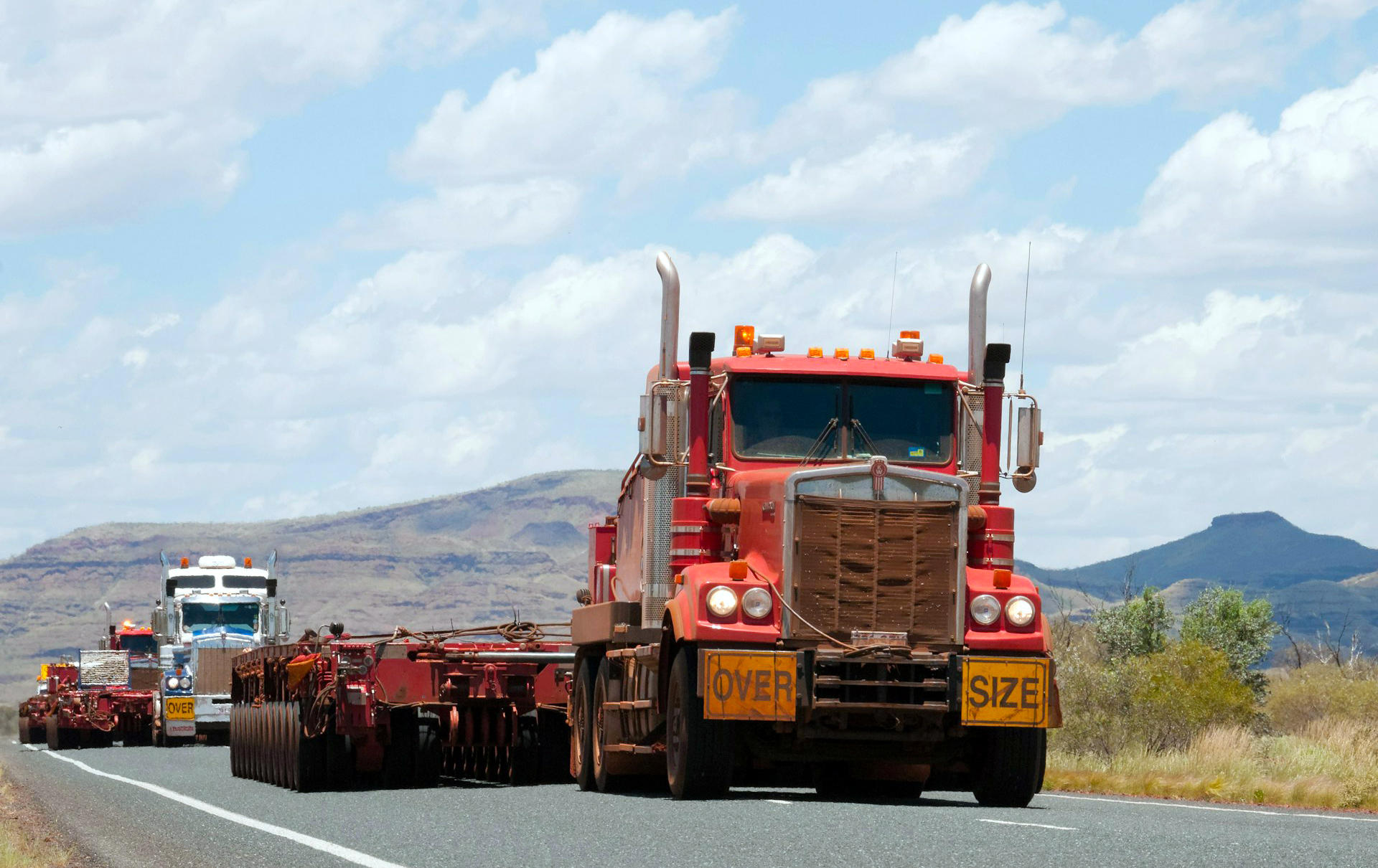
What Is Considered a Wide Load
To understand exactly what is considered a wide load, we need to explore the legal width limits.
In most states, anything that is wider than 8 feet (6 inches) is beyond the limit. This is the point that separates normal freight from oversized freight.
This rule applies to anything, from oversized heavy machinery to building freight, vehicles, and more. The width alone triggers this rule. This means that even if the weight, height, and length are within normal limits, the freight is classified as “wide-load”. Once the width exceeded the legal limit, it must follow all the wide-load regulations on the road.
How Wide Can a Trailer Be On the Road
To find out how wide can a trailer be on the road, we must explore the legal limit. As mentioned, anything wider than 8 feet (6 inches) is classified as a wide-load. This applies mainly to freight on flatbed trucks, but also on standard trailers.
The rule also covers the width of the trailer, not only the freight. This defines how wide can a load be on a trailer to stay within the regulations. Anything wider immediately steps into the area of requirements, permits, and route planning.
Wide Load Signs, Flags, and Banners - Required Dimensions and Placement
A big part of the legal requirements checklist is clear markings, notifying of oversized freight. A missing wide-load sign or faded banner breaks the wide-load requirements and wide-load rules.
In many states, officers always review these markings, even when the wide-load permits and other trucking permits are all valid.
The rule about notification markings applies no matter the trailer size, trailer length, or whether the load reaches the 10 ft wide load regulations thresholds.
Here’s a clear, easy-to-scan overview:
Equipment Type: | Marking Used: | Required Size: | Placement: |
Front and Rear Sign | Wide-load signs for trucks | 7 ft long × 18 in high | Typically mounted on the front bumper or the rear of the trailer. |
Alternate Wording Sign | Oversize Load Signs | 7 ft long × 18 in high | The locations at which the state rules allow wording. |
Corner Markers | Wide Load Flags | 18 in × 18 in | Location on all outer corners of the wide-load freight. |
Main Banner | Wide Load Banner | 7 ft long × 18 in high | Typically mounted on the front and rear (unobstructed). |
Adhesive Label | Wide Load Sticker | State-approved size | Found on the cab door or sometimes on the trailer frame. |
Generic Safety Boards | Load Signs | State specific | Should be visible from the traffic lanes. |
These signal markings help drivers correctly judge the space when passing wide-load freight. This applies to cargo measured in feet wide, near a height limit like 13 feet (6 inches), or even close to the maximum weight cap. These markings matter especially when the route involves bridges under 14 feet, towing vehicles, or setups with multiple vehicles and escort vehicles.
Do Wide Loads Need Pilot Vehicles?
Not every wide-load freight requires escorts. However, many do once the width surpasses the threshold of the state's wide-load regulations. The authorities mainly step in whenever the wide-load transportation blocks sightlines or represents danger on the road.
The availability of an escort also depends on the routing. Dispatch teams inspect the wide-load permits and match them to the local rules listed under wide-load permits by state. A company involved in wide-load hauling needs to review axle spacing, breaking distance, and turn radius.
If escorts are needed, the freight must follow the formal wide-load requirements. They include radio contact, speed limitations, and convoy spacing.
DOT & FMCSA Wide Load Regulations - What Shippers and Drivers Must Know
The federal agencies outline the safety regulations baseline for moving wide-load freight. They fully control the vehicle condition inspections, paperwork, and compliance. These rules apply even when local permits are already approved.
Here’s what FMCSA and DOT wide-load regulations include:
Regulation: | What it Includes: |
Federal Safety Standards | This involves a complete vehicle inspection that includes brakes, lighting, tires, and even driver logs. |
Permit Coordination | This is a way to check how the wide load permits link with the state approvals for interstate routes. |
Operating Limits | Speed caps, lane usage, and spacing rules during transit to prevent dangerous situations on the road. |
Load Securement | This involves an inspection of the wide load, including chains, methods for blocking, and binders. |
Equipment Compliance | The equipment compliance requires mandatory lighting, reflective tape, and certified wide-load equipment. |
Carrier Responsibility | Those include the insurance levels and safety records required for the license of wide-load trucking companies. |
All of these oversized loads' federal regulations work together to ensure safety on the road. They also foresee potential issues, solving them before they arise to guarantee predictable travel times. These regulations are the ultimate foundation of wide-load trucking in any state.
How Much Does Wide Load Shipping Cost
The wide load shipping costs change based on the freight’s width. Anything from permits to routing limits, challenges, and escorts adds to the total cost. That’s why in many cases the actual cost might turn out to be very different from the quote.
However, there is an easy way to approximately estimate the cost. It involves determining anything that could bump up the price additionally.
Here are some examples with relative pricing:
Load Width: | Typical Permit Level: | Escort Needs: | Estimated Cost (per mile) |
8 ft 7 in to 9 ft | Basic Oversize | None in most states | $3.50 to $5 |
9 ft to 10 ft | Single-state Oversize | Sometimes 1 pilot car | $5 to $7 |
10 ft to 11 ft | Multi-state Oversize | Often, 1 pilot car | $7 to $10 |
11 ft to 12 ft | High-risk Oversize | 1 to 2 pilot cars | $9 to $13 |
12 ft to 14 ft | Super Load Tier | 2 pilot cars common | $12 to $18 |
14 ft to 16 ft | 2 pilot cars plus surveys | $16 to $25 | |
Over 16 ft | Engineering Move | Escorts and police | $25+ |
As you can see, the distance, state rules, route, and fuel prices can all shape the bill. The thing that raises the cost faster than anything else is urban areas. The more difficult the transit is, the higher the price would be.
Note: The prices in the table are an example of the current market conditions at the moment of writing. Real-world prices may vary significantly.
Find the Best Shipping Service for Wide Load Cargo
Selecting the right freight shipping carrier for your wide-load shipping is critical. It affects your cost, timing, and risk; therefore, saving money is not always the best option. To find a carrier suitable for the job, you must review their ratings and compare their rates. Also, discuss your shipping in advance.
We recommend confirming that they can fully manage the paperwork, since most routes require permits. A solid provider will explain the process in detail and show past examples to provide you with peace of mind.
The best way to compare options is through FreightRun.com. Our free freight quote calculator allows you to find the best carriers, compare their rates, and get in touch. You can instant view of the current market rates and carrier availability. This allows you to find the best shipping service for wide load cargo and get the job started immediately.
