What Is a Freight Handler and His Duties
Posted On 2nd March 2026Have you ever asked what a freight handler is? If not, you probably never wondered who moves the freight physically between stages. A freight handler is the person responsible for moving the freight from, let’s say, the truck to the warehouse.
The freight handler’s meaning revolves around moving, loading, unloading, and storing. They are the people responsible for ensuring a freight reaches the next step of the shipping process without any damage.
In this quick guide, we’re going over the freight handler definition in depth. We will learn exactly what a freight handler does, how it keeps the supply chain moving, and everything surrounding them.
Freight Handler Meaning in Logistics
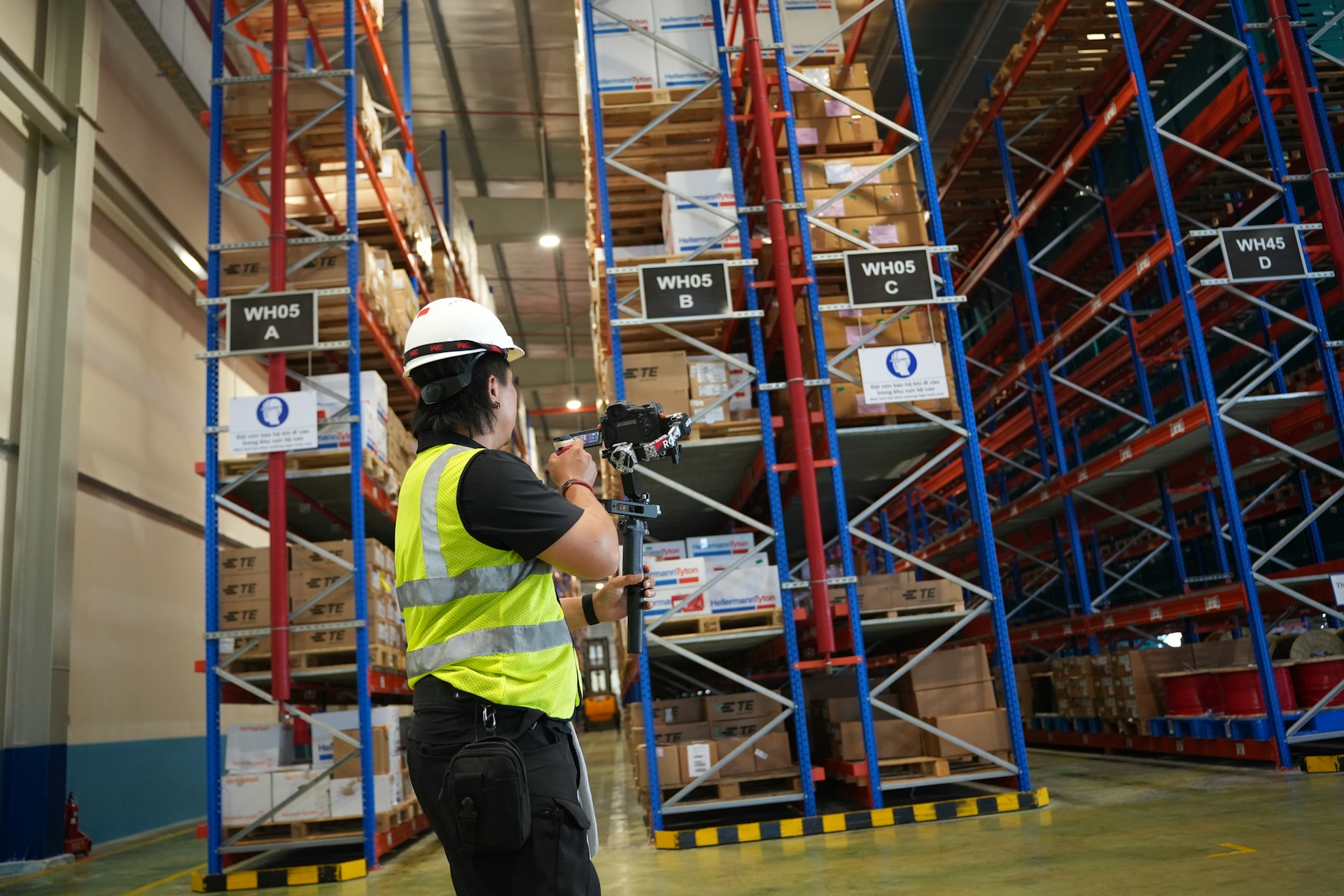
The freight handler’s meaning goes beyond taking boxes from the truck and stacking them up in a warehouse. As a freight worker, handlers move products safely, preparing them for the next step in the process. This might mean preparing cargo from trucks for air freight and/or ocean freight.
To understand what is freight handling better, we must look into the full process. It covers many stages, such as load and unload steps, storage facilities management, and more. In short, the freight and handling operations require precision and timing.
Let’s learn more…
What Does a Freight Handler Do
As mentioned, a freight handler’s job is to move the freight with the intention of preparing it for the next step. The freight handler job description often involves accuracy, swiftness, safety, and docks and terminals. To understand better, here are all the duties:
Loading & Unloading
A primary duty of a warehouse freight handler is to load and unload. This not only means trucks, but also containers, air freight, and more. Beyond the physical movement of freight, the safety of the goods is also a priority, which can affect shipping costs.
Freight Organization
The daily work of a freight handler also involves orchestration. The handler teams move freight from the entry area to the inbound zones. It involves pallet jacks, lifting tools, safety measures, and most importantly, coordination. A critical rule of thumb here is thoughtful placement within the storage areas, which reduces avoidable handling costs.
Full Freight Inspection
Beyond the movement of freight, a shipping handler also scans, labels, and documents most of the shipments that demand it. This is one of the most important steps for handlers, as errors can really add unwanted additional charges.
Keep Workplace Safety
When physical work is involved, safety is of the essence. So, workplace safety is another top priority for handlers to prevent injuries. Freight handlers are instructed on all equipment safety guidelines, which leads to fewer injuries and disruptions.
Operations Assistance
Another duty expected from freight handlers is coordination with drivers, shipping companies, and other involved parties. They assist with the preparation of the freight, reduce delays, and limit any unnecessary freight and handling charges.
Note: Some different businesses might have additional or fewer duties for their freight handlers.
What Equipment Is Used in Freight Handling
We now know what a warehouse freight handler is, but to really understand what they do, we must take a look at their equipment. Most, if not all, freight handling services are equipped with the gear necessary for the daily operations.
Here’s what it involves:
| Equipment | Primary Purpose |
|---|---|
| Forklifts | The forklifts are used to physically move heavy freight like pallets, machinery, and more. |
| Pallet Jacks | The pallet jacks are designed to help handlers quickly move a large volume of freight with stability. |
| Conveyor Systems | The conveyor systems are excellent for moving cartons in sorting and packaging areas to speed up the process. |
| Dock Levelers | The dock levellers are needed for the truck to be able to safely unload the freight for the transfer. |
| Barcode Scanners | The scanners are needed for handlers to be able to track shipments in real time between transits. |
| Protective Gear | The protective gear is critical for any handler who physically moves freight between locations. |
Note: Using the right equipment reduces freight shipment damage!
Required Freight Handler Skills
The freight handler performs harsh physical labor. This role really demands several skills that not everyone can bring. For most freight handlers high school diploma is necessary, although the skills for the job are acquired through hands-on experience.
Here are the primary skills needed for a freight handler in job openings:
- Physical Stamina
- Attention to Detail
- Equipment Skills
- Time Management
- Documentation Skills
- Team Coordination
- Safety Awareness
Note: In many operations, performance is measured by speed and accuracy, but safety remains critical because of the freight costs involved.
How Can Freight Handling Reduce Costs for Your Business?
A reliable freight handling service can dramatically lower your waste and overall costs. When all of it runs efficiently, it prevents damage and other complications that can raise freight charges.
Every logistics operator knows that delays and claims can drastically raise the freight handling charges. That’s why a reliable team of expert freight handlers improves your efficiency, lowers your total operational costs, and keeps logistics clean and organized.
Is Freight Handling the Same as Freight Forwarding?
Straightforwardly, no. The freight handling meaning is not the same as freight forwarding.
Freight handling focuses on the physical movement of freight, while forwarding only manages the documentation, routing, and coordination. A freight handler can touch upon documentation, yes, but only surface-level paperwork on the spot.
In short, one handles the physical movement, and the other handles all the logistics behind it.
