
FCL - Full Container Load Meaning in Shipping
Posted On January 9, 2026Wondering what is FCL (Full Container Load)?
FCL meaning in shipping, refers to a full container load used by a single shipper from the start to the destination port. It’s a term that finds application when you ship goods across borders.
In short, FCL is a shipping method that suits many organizations with large shipment volumes.
In this quick guide, we’re going through the meaning of FCL in shipping. We will also compare FCL and LCL shipping options, and learn more about the freight shipping rates and networks.
Let’s start with the most important - what’s FCL in shipping!
FCL Shipment Procedure
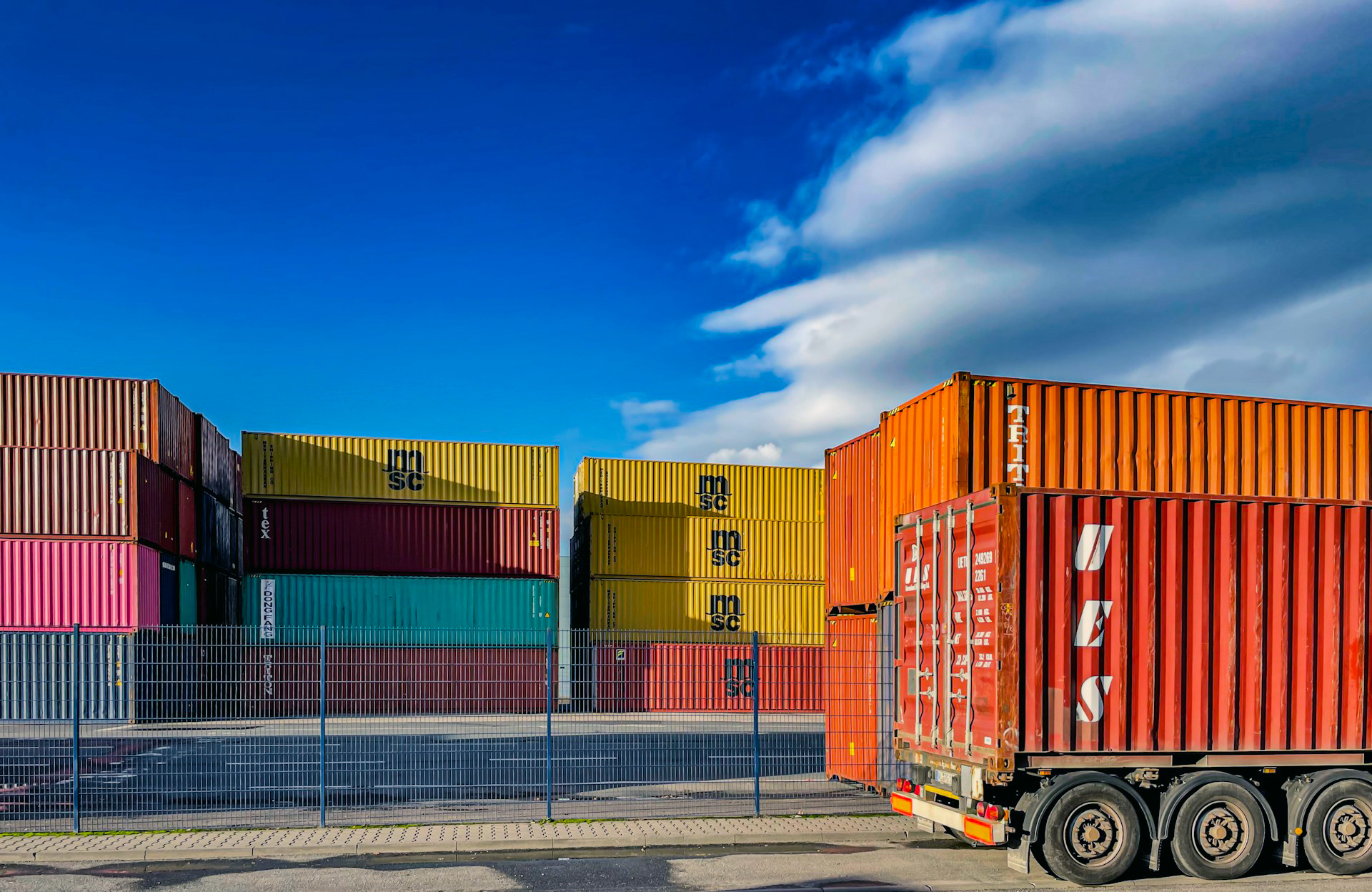
The FCL shipping meaning stays simple. One container. One owner. One sealed unit moving through the global supply chain. However, the FCL shipping follows a strict shipping process.
The FCL process consists of several steps designed to keep timelines and costs predictable:
#1 Booking and Allocation
The first step is confirmation of space with the carrier based on your shipment volumes. The FCL shipping rates depend on route, season, and shipping demand. That’s why many shippers use a freight calculator to compare shipping rates in real time and find the best deal before booking.
#2 Loading the Container
The empty FCL container arrives at the facility. Then the freight is being loaded directly into the container, measured by cubic meters. With full container load shipping, it doesn’t matter how full the container is, as long as the freight fits. The shippers pay for the entire container regardless.
#3 Inland Transportation
Once the container is sealed, it moves to the ocean port via truck or rail. The good thing about FCL freight is that the container stays sealed the entire transit (no sharing). This means that the handling is much faster, more efficient, and of course, cheaper.
#4 Ocean Transportation
The container arrives at the port and travels by ocean freight vessel to the destination port. The transit time remains predictable because there is no consolidation/deconsolidation. That’s why this method supports even time-sensitive FCL delivery schedules.
#5 Final Freight Delivery
Upon arrival, the shipment enters customs clearance under one bill of lading. After release, the container moves directly to final delivery. This is the FCL shipping definition in practice and suits ideally cross-border shippers with large volumes of freight.
What is the Difference Between FCL vs LCL Shipping
The LCL shipping vs FCL shipping difference boils down to space usage, ownership, and costs. It’s good to compare LCL vs FCL shipping to understand how both options work. This will help you determine which mode of transportation suits your needs better.
- LCL Shipments: They combine cargo from multiple shippers into one container. You pay per cubic meter used, making it ideal for low-volume shipments.
- FCL Shipments: You book the entire container, paying a base rate for your cargo only. LCL and FCL shipments never mix here, and the container stays sealed.
So, shippers going with FCL shipping do not have to share space and book the entire container. FLC remains more cost-effective than LCL, especially if your freight can fill an entire container.
How Much Does It Cost to Ship a Shipping Container
The cost to ship a container through FCL shipping can’t be estimated precisely because of the ever-changing market conditions. The primary cost consists of the ocean freight rates, the route, port handling fees, and inland transportation taxes.
However, since the full container load (FCL) prices ignore used space, the shipment volume inside doesn’t affect the base rate.
It’s hard to estimate the cost accurately, so here are a few surface-level examples:
Example Route: | Container Size: | Typical FCL Shipping Rates Range: |
US West Coast to East Asia | 40ft | ~$1,500 to $3,500 |
US East Coast to Europe | 40ft | ~$2,000 to $4,000 |
US Gulf Coast to Europe | 20ft | ~$1,900 to $3,500 |
US West Coast to Australia | 40ft | ~$2,300 to $5,000 |
US East Coast to South America | 20ft | ~$1,500 to $3,000 |
US West Coast to Southeast Asia | 40ft | ~$2,000 to $4,000 |
US East Coast to the Middle East | 40ft | ~$3,200 to $5,700 |
Note: The prices shown in the table reflect current FCL shipping rates for ocean freight exports. Hence, the prices may vary based on market conditions, season, fuel cost, and carrier capacity.
What Are the Most Common Container Sizes
The container size is a critical factor that shapes the total cost. This is because it directly affects the loading strategy and handling process. Hence, choosing the correct FCL container will help you achieve a cost-efficient strategy, especially for smaller shipments.
Container Type/Size: | Internal Volume: | Notes: |
40ft Standard | ~67 cubic meters | This is the most common container size for FCL shipping and fits high-volume freight. |
20ft Standard | ~33 cubic meters | Most common for heavy cargo with limitations on weight. It suits freight that occupies less space. |
40ft High Cube | ~76 cubic meters | Adds extra height for bulky cargo. Often used when standard containers reach capacity too early. |
45ft High Cube | ~86 cubic meters | Less common. Used for high-volume, lightweight cargo on specific trade lanes. |
20ft Open Top | ~32 cubic meters | For cargo loaded from the top. Used for machinery or oversized goods. |
20ft Flat Rack | Varies | Least common. Designed for out-of-gauge cargo requiring side loading or overwidth space. |
Tip: Filling more of the container improves cost efficiency per unit shipped.
Pros & Cons of FCL Shipping
Now that we know the FCL full container load meaning, we can’t overlook the advantages as well as limitations that come with it.
Here are the standout pros and cons of FCL shipping:
Pros: | Cons: |
With FCL, you get a sealed FCL container from the start to the destination. | The upfront cost with FCL is higher when compared to the shared LCL shipping. |
Faster transit, predictable costs, and fewer handling points. | You pay for the full container; therefore, unused space still costs money. |
The risk of damage or lost freight is minimal with FCL. | FCL is not ideal for shippers dealing with smaller shipments. |
Simpler customs clearance with one shipper. | FCL requires strong planning and robust supply chain coordination. |
With FCL, the delivery time remains predictable and reliable. | The FCL rates can swing during peak seasons and market conditions. |
We hope that you’ve learned what FCL shipping is and how the process works. Again, before booking anything, we recommend using a Free Quote Calculator to find a reliable freight carrier. Then compare rates and book an FCL or LCL container based on your specific needs. Best of luck!
