
What Is TONU in Trucking and How Order Not Used Fees Work
Posted On 26th December 2023Updated 06/26/26
Navigating truckload shipping logistics requires balancing precise warehouse schedules with carrier capacity commitments. When supply chain timelines fall apart at the last minute, shippers often face unexpected penalty assessments on their final freight bills.
TONU is an acronym for Truck Order Not Used. This accessorial fee is an industry-standard financial penalty that transportation companies impose on a shipper when a confirmed cargo booking is canceled after a driver has already been dispatched to the pickup site, or if the facility is completely unprepared to load the trailer upon the truck's arrival.
Get an Instant Free Freight Quote and Compare Carrier Rates Online
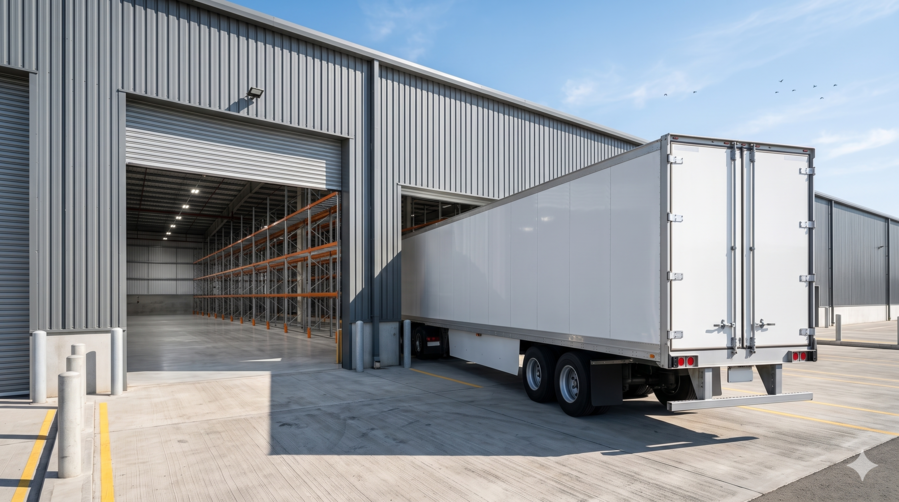
How the TONU Fee System Operates in Domestic Freight
The primary purpose of a Truck Order Not Used charge is to compensate owner-operators, fleet carriers, and logistics providers for the time, fuel, and equipment capacity lost due to sudden administrative changes.
In the trucking industry, a driver's earning potential relies directly on keeping their trailer rolling with active cargo. When a shipper issues a last-minute cancellation or makes a critical scheduling error, the carrier loses out on alternative profitable loads along that specific transit lane.
The entire process generally hinges on a standard cutoff window designated in your logistics broker contract. If a cancellation occurs before the driver is assigned or begins rolling toward the warehouse, you can usually avoid accessorial penalties.
However, if the tractor has already hit the road or cleared the facility gate before the order is revoked, the charge will automatically be added to your freight invoice.
Average Cost of a Truck Order Not Used Charge
The final cost of a cancellation penalty depends heavily on the equipment class, regional capacity constraints, and whether the carrier has already purchased specialized permits.
Standard dry van and basic refrigerated assets have lower baseline penalties because they are easier to re-route into alternative freight lanes. Conversely, flatbeds, heavy-haul machinery transports, and over-dimensional configurations carry much steeper costs due to the complexity of scheduling specialized equipment.
| Freight Equipment Category | Average TONU Fee Range | Secondary Out-of-Pocket Costs |
|---|---|---|
| Standard Dry Van | $150 to $300 | Not applicable |
| Standard Refrigerated LTL | $200 to $350 | Local cross-docking cooling fees |
| Specialized Flatbed | $300 to $500 | Driver tarping labor compensation |
| Overweight or Heavy Haul | $500 to $1,000 | State highway permits and escort car fees |
Primary Structural Causes of Cancellation Charges
Despite advanced tracking technology, administrative mistakes happen. Understanding the primary root causes of these accessorial fees helps logistics teams audit their workflows effectively.
- Supply Chain and Manufacturing Delays: Production machinery lines break down, or incoming raw materials fail to arrive on time, leaving warehouse docks empty when trucks check in.
- Inappropriate Transportation Equipment Ordered: A logistics coordinator mistakenly books a standard dry van when the freight footprint requires a flatbed with ramp loading.
- Incorrect Pickup Time Entries: Human error during manual data entry results in conflicting dispatch logs, sending the driver to a facility a full day before the cargo is ready.
- Construction and Facility Site Delays: Job sites face severe weather or structural bottlenecks, making it impossible for heavy equipment operators to accept a delivery or load out an empty trailer.
Actionable Strategies to Avoid Accessorial Penalties
Eliminating unnecessary accessorial costs requires a blend of operational discipline, proactive carrier coordination, and clear supplier accountability frameworks.
1. Maintain Precise Warehouse Scheduling Alignment
Meticulous internal planning is your primary defense against sudden order cancellations. Ensure your warehouse procurement team, manufacturing line managers, and dock staff are fully aligned on your product's physical readiness before a digital dispatch notice is generated.
2. Leverage High-Visibility Logistics Tracking Systems
Using automated tracking software ensures real-time visibility into vehicle transit windows. If your operations team spots a delay on an incoming assembly run, they can quickly leverage a universal platform to push back a carrier's arrival window before the driver is formally dispatched to your yard.
3. Read and Negotiate Your Broker Contracts Thoroughly
Always review the exact cutoff times and monetary structures outlined in your carrier agreements. Certain asset managers allow cancellation notifications up to two hours prior to the scheduled pickup time without any financial penalty, while others enforce immediate cancellation upon a driver's acceptance of a digital load tender.
Helpful External Resources:
Federal Highway Administration Freight Management Operations Office — Review federal highway infrastructure initiatives and capacity frameworks to gauge lane bottlenecks.
Bureau of Transportation Statistics National Freight Performance Metrics — Analyze national freight volume fluctuations and macroscopic transport data to predict capacity surges.
National Motor Freight Traffic Association Uniform Rules Guide — Review standard bill of lading conditions and accessorial guidelines managed by the logistics sector's primary regulatory association.
Frequently Asked Questions
Does an individual shipper have to pay for permits if a heavy haul load is canceled?
Yes. If a carrier has already purchased specialized state-level highway permits, oversize routing authorization papers, or civil escort services for an over-dimensional shipment prior to your cancellation, those non-refundable out-of-pocket expenses are added directly to the baseline penalty on your final invoice.
What is the difference between a detention fee and a TONU charge?
A detention fee is an hourly penalty charged when a truck driver arrives at a facility on time but is forced to sit idle at the loading dock beyond the industry-standard two-hour free window. A cancellation charge applies when the shipment is canceled or cannot be loaded, resulting in the carrier pulling the truck away from the dock empty.
Can you dispute a truck order not used fee if the driver arrives late?
Yes. If your broker contract establishes a strict appointment window and the carrier misses that window without providing proactive notice, you have a valid basis to dispute the accessorial fee. If the driver's tardiness directly caused the warehouse to cancel the load or miss a local shipping window, the carrier is generally found at fault.
Eliminate Unexpected Freight Overcharges with FreightRun
FreightRun protects your bottom line by providing transparent, up-front accessorial terms and connecting your team with highly reliable, vetted commercial fleets.
Compare Competitive Fleet Rates and Secure Clean Asset Capacity Online
