
What Is Truckload Shipping and How Commercial Over-the-Road Freight Works
Commercial shipping operations rely on over-the-road asset networks to move massive volumes of industrial components, consumer goods, and raw materials across the country. Managing procurement costs requires choosing the right capacity tier based on your exact cargo volume, weight, and delivery timeline.
Truckload shipping is an industry-standard freight transportation method where a single shipper books the exclusive use of an entire semi-truck trailer, typically a 48-foot or 53-foot dry van, refrigerated unit, or flatbed. Unlike shared shipping tiers, a truckload commitment means your cargo travels directly from the origin loading dock to the final destination without intermediate hub transfers or mixed-carrier cross-docking.
Get an Instant Free Freight Quote and Compare Carrier Rates Online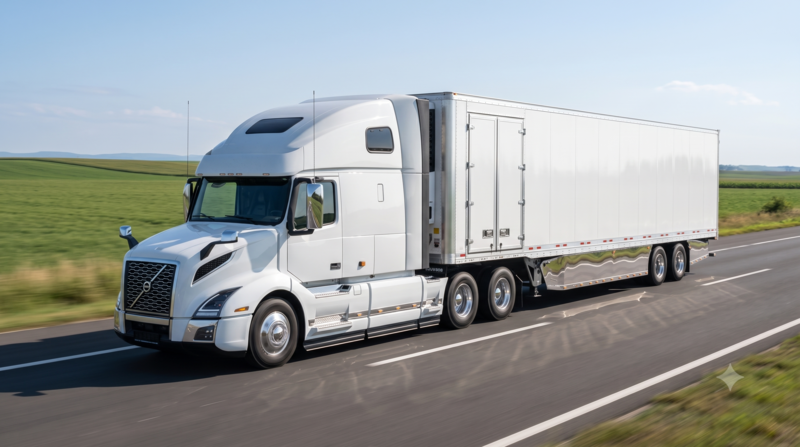
Understanding the Primary Types of Truckload Shipping Tiers
To align your logistics budget with real-world carrier capacity, you must evaluate the three distinct operational models of over-the-road freight transit.
What Is Full Truckload Shipping
Full Truckload shipping, commonly abbreviated as FTL, is a dedicated procurement model in which your cargo occupies the entire physical space or the maximum legal weight capacity of a 53-foot trailer. Shippers choose FTL when moving 24 to 30 standard pallets, or when transporting high-value, fragile, or time-sensitive commodities that cannot risk the physical handling associated with mixed-freight networks.
What Is Less Than Truckload Shipping
Less-than-truckload (LTL) shipping is the opposite of a dedicated full-truckload run. In this hub-and-spoke model, your cargo occupies only a small footprint, typically 1 to 6 pallets. Less-than-truckload freight carriers consolidate your goods with shipments from multiple other companies into a single trailer. This allows small businesses to share line-haul fuel costs, though it introduces longer transit times due to stops at intermediate sorting facilities.
What Is Partial Truckload Shipping
Partial Truckload shipping, known as PTL, bridges the operational gap between LTL consolidation and dedicated FTL runs. It is the ideal shipping method for mid-sized shipments of 6 to 18 pallets that exceed standard LTL volume thresholds but do not justify the cost of a full 53-foot trailer. PTL shipments stay on a single truck for the duration of the haul, bypassing regional consolidation hubs while maintaining a lower cost tier than FTL.
Operational Cost Structures for Truckload Freight
The spot market price for dedicated freight transportation fluctuates continuously in response to regional capacity shortages, seasonal agricultural demand, and diesel fuel prices.
While Less Than Truckload rates rely heavily on standardized National Motor Freight Traffic Association density classifications, full truckload pricing is calculated on a flat-rate per-mile basis or a dedicated-lane contract fee.
Freight Shipping Mode | Standard Pallet Threshold | Average National Cost Per Mile | Core Transit Advantage |
Full Truckload (FTL) | 24 to 30 Pallets | $1.50 to $3.00 or more | Zero intermediate handling and direct accelerated transit |
Partial Truckload (PTL) | 6 to 18 Pallets | $1.25 to $2.25 | No terminal cross-docking at lower capacity cost |
Less Than Truckload (LTL) | 1 to 6 Pallets | Calculated via Density Tariff | Highly economical for low-volume commercial pallets |
Essential Legal and Financial Tracking Documents
Executing a professional truckload move requires absolute transparency between the shipper, broker, and asset carrier. Three core documents govern this workflow:
- The Broker Carrier Agreement: A foundational legal contract that establishes insurance liability thresholds, cargo damage claim procedures, and late-delivery chargeback rules to protect your supply chain investments.
- The Rate Confirmation Document: A specific transaction log signed by both parties before pickup that locks in the final agreed pricing, equipment requirements, precise appointment windows, and emergency contact details.
- The Bill of Lading (BOL): The master legal receipt for the freight cargo. The driver signs the BOL upon pickup to verify the goods were loaded in pristine condition, and the final receiver countersigns the document at the destination dock to log shortages or clear delivery completion.
High-Authority External Reference Links
- Federal Highway Administration Office of Freight Management: Review national highway cargo volume metrics and supply chain corridor updates managed by the Federal Transportation Department.
- Bureau of Transportation Statistics Commercial Transport Data Portal: Analyze macroscopic over-the-road freight economic indicators and capacity indexes across North American commercial lanes.
- National Motor Freight Traffic Association Regulatory Body: Access official updates regarding unified bill of lading terms, digital freight standards, and carrier transport safety rules.
Frequently Asked Questions
What is the legal maximum weight limit for a full truckload shipping run?
Under federal highway safety guidelines, the gross vehicle weight of a commercial semi-truck cannot exceed 80,000 pounds. When you subtract the physical weight of a standard tractor and an empty 53-foot dry van trailer, the maximum legal payload weight for your actual cargo generally tops out between 43,000 and 45,000 pounds.
Why does dedicated full truckload shipping reduce cargo damage claims?
In an LTL consolidated network, your pallets are unloaded, sorted, and reloaded onto multiple different trailers at intermediate regional cross-docks. This frequent forklift handling increases the statistical risk of impact damage. A dedicated truckload shipment is strapped securely into the trailer at your facility and remains completely untouched until it arrives at the receiver’s dock.
Can a partial truckload shipment be tracked in real time?
Yes. Modern logistics platforms pull live tracking data from electronic logging devices in the cab or from integrated trailer-tracking sensors. Because PTL cargo avoids regional terminal layovers, you can trace the exact over-the-road coordinates of the truck across major national highway networks.
Compare Competitive Truckload Tariffs and Secure Fleet Capacity with FreightRun
Stop wasting hours calling individual carriers or managing separate communication logs. FreightRun integrates the nation’s top-rated full-truckload, partial-truckload, and consolidated LTL fleets into a single high-visibility procurement network.
Compare Live Freight Rates and Book Premium Carrier Equipment Online