
Services
10% New Client Discount
Union City CA to Ann Arbor MI Freight Shipping Rates and Transit Times
Connecting the East Bay's high-tech industrial and advanced manufacturing corridors with Michigan’s automotive research, engineering, and robotics basin creates an essential transcontinental freight route. Spanning approximately 2,390 miles along the northern cross-country spine, this long-haul corridor facilitates regular flows of specialized technology components, precision tools, testing hardware, and commercial materials.
As part of our
Get an Instant Free Freight Quote from Union City to Ann Arbor
Route Transit & Pricing Snapshot
Corridor Routing & Practical Transit Factors
Mountain Pass & Seasonal Elevation: Freight traversing Northern California and Nevada crosses Donner Summit (7,200 ft elevation) and high-altitude sections of Wyoming. Winter weather between November and April frequently triggers tire-chain requirements or temporary closures that can add 24 to 48 hours to line-haul schedules.
Precision Cargo & Density Classification: High-tech research assemblies, lab equipment, and automotive test electronics moving between these innovation hubs vary substantially in weight-to-cube ratios. To avoid carrier reclassification penalties at break-bulk facilities, verify your commodity classifications using our
Midwest Cross-Dock Sorting: Freight entering Lower Michigan typically clears regional sorting terminals in South Bend, Indiana, or Metro Detroit before dispatch on local straight trucks. Booking early delivery windows prevents delays during high-volume dock hours.
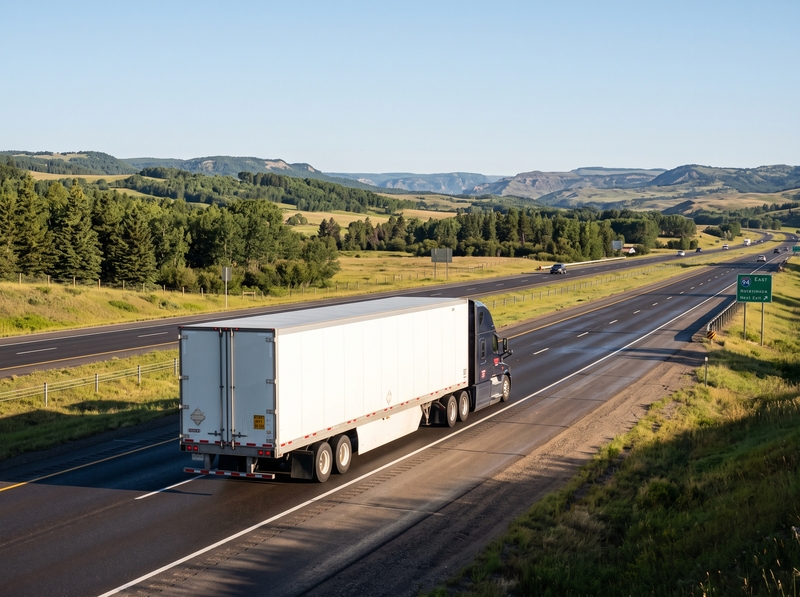
Selecting the Right Shipping Method
Less-Than-Truckload (LTL): The most practical option for freight moving between 1 and 6 commercial pallets. Choosing
Partial Truckload (PTL): Highly recommended for 6 to 14 pallets of delicate lab machinery, non-stackable electronics, or high-value prototypes. PTL keeps cargo on a dedicated trailer from California to Michigan without intermediate dock transfers.
Full Truckload (FTL): For high-volume manufacturers filling an entire 53-foot dry van or temperature-controlled trailer up to 45,000 lbs. Choose
Official Transportation Resources
Check real-time I-80 mountain pass conditions, chain controls, and commercial vehicle travel restrictions.
Monitor real-time highway speeds, winter road conditions, and I-94 construction alerts across Southern Michigan.
Verify interstate carrier operating authority, safety ratings, and active commercial insurance coverage.
Frequently Asked Questions
How long does standard LTL freight take from Union City to Ann Arbor?
Standard cross-country LTL transit typically requires 4 to 6 business days. A shipment dispatched from an East Bay dock on Monday morning generally reaches the Ann Arbor destination terminal for final delivery between Friday and the following Monday.
Can I arrange liftgate delivery for locations in Ann Arbor?
Yes. If your receiving tech campus, research facility, or warehouse facility in Ann Arbor lacks an elevated dock or dedicated forklift, select liftgate delivery during quoting so an equipped local straight truck handles final delivery.
How do I prevent freight re-weigh and classification adjustments?
Measure exact pallet dimensions including any carton overhang, ensure cargo is strapped securely with durable shrink wrap, and determine the exact density tier using standard
Compare Live Rates on the Union City to Ann Arbor Lane
Compare live rates and transit schedules from vetted regional and transcontinental carriers running between the San Francisco Bay Area and Southern Michigan.