
Charlotte NC to Long Beach CA Freight Shipping Rates and Transit Times
Connecting the Southeast’s primary logistics and distribution capital in the Piedmont region with the maritime trade gateway of Southern California forms a critical coast-to-coast freight corridor. Spanning approximately 2,425 miles across the southern transcontinental tier, this long-haul corridor facilitates steady flows of industrial components, textiles, manufactured machinery, retail goods, and commodities destined for ports.
As part of our popular US shipping lanes directory, FreightRun connects commercial shippers with vetted regional and transcontinental carriers running scheduled line-hauls between Mecklenburg County, North Carolina, and the Port of Long Beach logistics basin.
Get an Instant Free Freight Quote from Charlotte to Long BeachRoute Transit & Pricing Snapshot
Shipping Factor |
Route Benchmark Data |
Origin Hub |
Charlotte, NC 28202 (Piedmont Logistics & Industrial Gateway) |
Destination Hub |
Long Beach, CA 90802 (Port of Long Beach / South Bay Industrial Complex) |
Total Route Distance |
Approximately 2,425 Miles |
Typical LTL Transit Window |
4 to 6 Business Days |
Historical Average LTL Rate |
$1,450 to $1,890 per standard commercial load |
Primary Route Line-Haul |
I-85 South to I-20 West / I-40 West to I-10 West to I-710 South |
Corridor Routing & Practical Transit Factors
Commercial line-haul trucks departing the Charlotte metropolitan area typically head west on Interstate 40 or southwest on Interstate 85 through Atlanta to join Interstate 20 West across the South. Trailers then merge onto Interstate 10 West through Texas, New Mexico, and Arizona before dropping down Interstate 710 (Long Beach Freeway) into the port industrial zones.
- High-Volume Freight Gateways & Ports: Long Beach is home to the second-busiest container port in the United States. Commercial facilities, transload docks, and distribution warehouses in the South Bay and Harbor areas experience heavy commercial traffic. Securing morning delivery appointments helps drivers avoid heavy congestion along the I-710 and I-405 corridors.
- Transcontinental Line-Haul Break-Bulks: Over this 2,400-mile haul, standard LTL freight typically passes through major mid-country carrier break-bulk facilities in Memphis, Dallas-Fort Worth, or Phoenix. Properly crating or palletizing cargo reduces handling wear at multiple cross-docks.
- Southwest Summer Desert Heat: Line-haul rigs traveling through Texas, New Mexico, and the Sonoran Desert in Arizona face sustained ambient temperatures above 105°F (40°C) from June through September. Shippers transporting heat-sensitive compounds, specialty adhesives, or temperature-critical items should evaluate protect-from-heat or reefer options.
- Preventing Classification Billing Adjustments: To eliminate unexpected reclassification adjustments at break-bulk hubs, verify commodity specifications, subclasses, and density tiers using our NMFC code lookup tool before carrier dispatch.
Selecting the Right Shipping Method
- Less-Than-Truckload (LTL): The most cost-efficient choice for 1 to 6 commercial pallets. Choosing less-than-truckload shipping consolidates your freight onto direct cross-country line-haul trailers, reducing total shipping spend compared to dedicated vehicles.
- Partial Truckload (PTL): Best suited for 6 to 14 pallets of sensitive equipment, crated cargo, or non-stackable freight. PTL remains on the same dedicated trailer from North Carolina to Southern California, eliminating terminal re-handling and reducing damage risks.
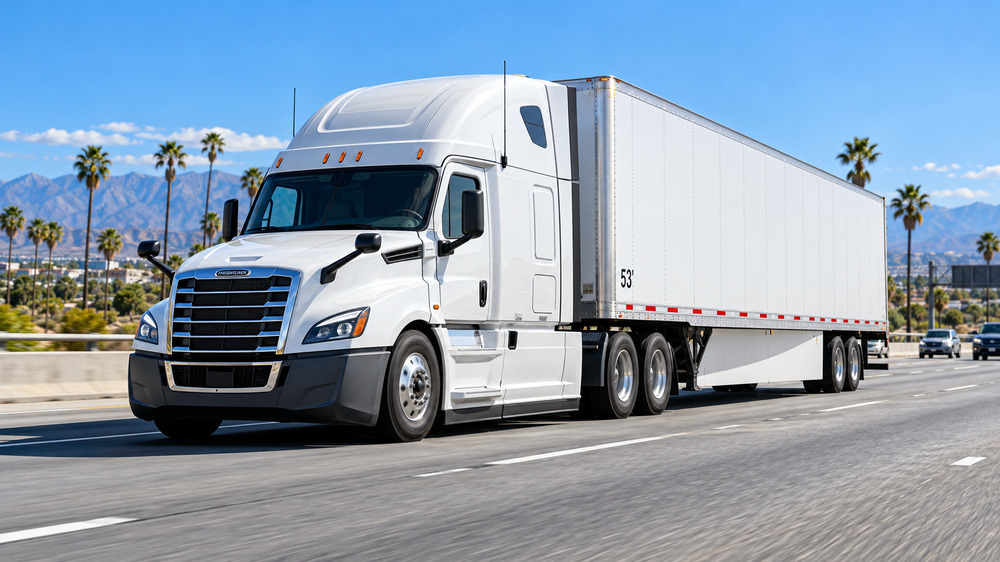
- Full Truckload (FTL): For high-volume industrial shippers filling a 53-foot dry van or refrigerated trailer up to 45,000 lbs. Choose full truckload transport for direct, sealed door-to-dock transit arriving in Long Beach in 3 to 4 business days.
Official Transportation Resources
- North Carolina Department of Transportation (DriveNC.gov) — Access real-time Piedmont highway cameras, work zone updates, and commercial travel advisories.
- California Department of Transportation (Caltrans QuickMap) — Monitor real-time Southern California highway speeds, I-710 truck lane restrictions, and harbor-area construction detours.
- Federal Motor Carrier Safety Administration (FMCSA) — Confirm interstate carrier safety ratings, active operating authority, and commercial liability insurance.
Frequently Asked Questions
How long does standard LTL shipping take from Charlotte to Long Beach?
Standard cross-country LTL transit typically takes 4 to 6 business days. A shipment dispatched from a Charlotte warehouse on Monday morning typically arrives at the Southern California terminal for destination delivery between Friday and the following Tuesday.
Can I arrange liftgate delivery for commercial sites in Long Beach?
Yes. If your receiving commercial warehouse, job site, or storefront in Long Beach, Carson, or San Pedro lacks an elevated loading dock or a forklift, specify liftgate delivery when quoting so an equipped local straight truck can handle final delivery.
How do I prevent freight re-weigh and classification fees?
Measure the exact pallet dimensions from the ground to the top of the cargo, inspect for packaging wrap overhang, and calculate the correct density tier using standard freight class guidelines before documenting the certified scale weights on the Bill of Lading.
Compare Live Rates on the Charlotte to Long Beach Lane
Compare real-time rates and transit schedules from vetted regional and transcontinental carriers operating between the Piedmont Carolinas and the Southern California coast.
Compare Live Rates and Book Charlotte to Long Beach Freight